
small changes = BIG IMPACT
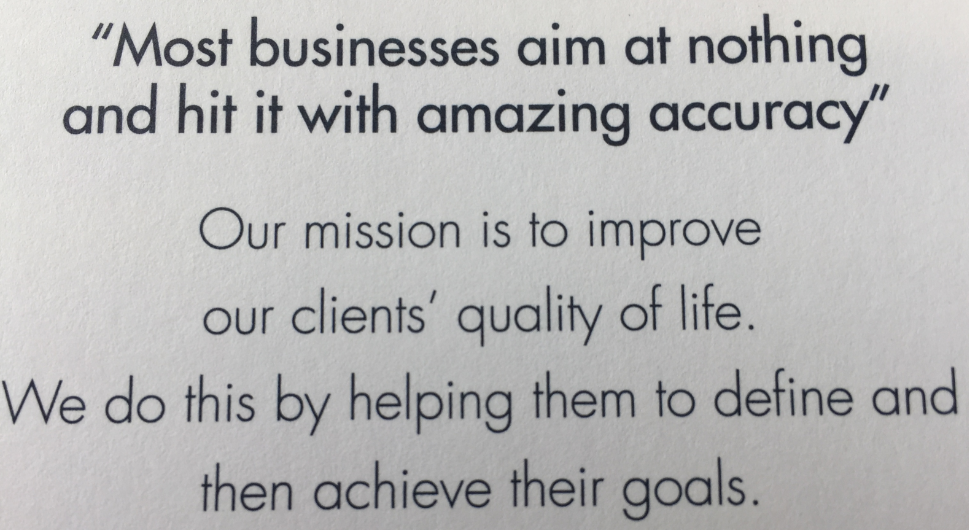
As an owner of a business it is vital that you know your numbers and set goals for the months and years ahead. As our business card states “Most businesses aim at nothing and hit it with amazing accuracy”. If you don’t know what you are aiming for then how are you going to know if you’ve achieved it? Similarly, if you don’t know what your starting position is then how can you influence change or KNOW (not have a gut feel but actually know) if all the hard work you’ve been doing has had an impact.
With this in mind we drill down in to our clients numbers to ensure that they know what they need to do to achieve their goals. This often starts at the end — what is the clients end goal. What do they want to take home at the end of the day (we can then do the appropriate tax planning to let them know what their net take home pay is after tax and work out what net profit they need to achieve this).
For example. imagine our client arrived at a net profit figure (after corporation tax) of £40,000 per annum to allow them to maintain their lifestyle and have funds available to reinvest in the business. This means that they (roughly) need to make £50,000 net profit before tax.
Next we need to look at their overheads — what were the average costs over the last few years, are there any increases expected (are they moving premises / taking on new staff etc). In this instance let’s assume that their monthly overheads are roughly £37,500 / month = £450,000 per annum. This means that to get to their net profit figure of £50,000 they need to have a gross profit of £500,000.
Great, so now we know the gross profit figure. If we know what their gross profit margin is (gross profit / turnover) then we can calculate what turnover they need to generate this income. If you don’t know this figure then you need to work it out right now! In this instance, the client has a margin of 33.33% so they need to turnover £1,500,000 to arrive at a gross profit of £500,000.
We could stop there, but what if we then drill down on this turnover figure. How many customers does the client have, how often do they sell to them, what is the average sales price are just some of the questions that we ask and it’s amazing how many business owners don’t know these figure off the top of their heads. If you don’t know then how can you improve them! These questions can also help you define what is a customer? Is it someone you’ve sold to in the last month / 6 months / year?
Let’s assume that this client has 500 customers who they sell to (on average) 10 times per year. That’s 5,000 transactions per year = £1,500,000 turnover. The average sales price is therefore £300.
Imagine they increased that by 1%. Doesn’t sound like much as the average sales price is now only £303 — an increase of £3. Multiply this by 5,000 sales however and your turnover is now £1,515,000 — an increase of £15,000. At 33.33% margin the gross profit is now £505,000. After deducting the overheads of £450,000 the client now has a net profit of £55,000 before tax compared to £50,000 previously.
A 1% increase in sales price has resulted in an increase in net profit of 10%.
Imagine if they could implement a 1% decrease in their costs by being more efficient / buying better, if they increased the number of customers they had by 1% and decreased the number of lost customers by 1%. What if they increased the average number of transactions by 1% and managed to shave 1% off their overheads by reviewing and monitoring their purchases. That doesn’t sound like much does it.
BUT all these small changes have a MASSIVE IMPACT on the bottom line. Where previously the company had a net profit of £50,000 if they were able to implement all these little 1% changes the net profit figure would increase to £95,355. A whopping 90.71% increase!
But why stop there. Could we increase the sales price by more than 1%, if we increased it to £305 would any customers leave (and if they did then they are probably the types of customers that you don’t want to work with in the first place). How many leads / introductions actually convert to clients? Could we increase this and how would we do it? Is the conversion rate being tracked at the moment and if not then why not?! The possibilities are endless and the cost of implementing these small changes is minimal (increasing the sales price doesn’t cost you anything at all!).
If you would like to hear more about how small changes can have a HUGE IMPACT then please get in touch. And why not have a look at some of the awesome testimonials from one of our previous seminars.